Running a business is complicated enough without constantly being told about another thing you should be doing.
Let's Chat
Before we talk, I’ll send you a few simple questions so I have a bit of background and you don’t have to explain everything from scratch.
I also don’t squeeze these conversations into a quick 30-minute slot. I’d rather give us enough time to properly talk through what’s working, what isn’t, what you’ve already tried and where you’re feeling stuck. Sometimes it takes a bit of untangling to get to the real issue, and that’s absolutely fine. That's what I'm here for.

After our conversation, I’ll take some time to think about what you’ve told me and where I know I can make the biggest difference. The 'easy wins' as I like to call them.
Then I'll come back to you with my thoughts and, where it makes sense, a clear outline of how I could help. And honestly, If I think someone else is better placed to help your situation I’ll tell you that too. It's about what's best for you, and I have an incredible network of people I can recommend.
If you decide you’d like to worktogether, we agree what that support looks like and take it from there.
It could be improving your LinkedIn profile, developing a content strategy, rewriting website copy, sorting out how you follow up with customers, ongoing mentoring, or something more bespoke.
Some things need a few focused hours. Others need a bit more untangling. Either way, we’ll agree the scope and cost before we start.

All businesses have a customer journey, but not everyone stops to look at how it is working.
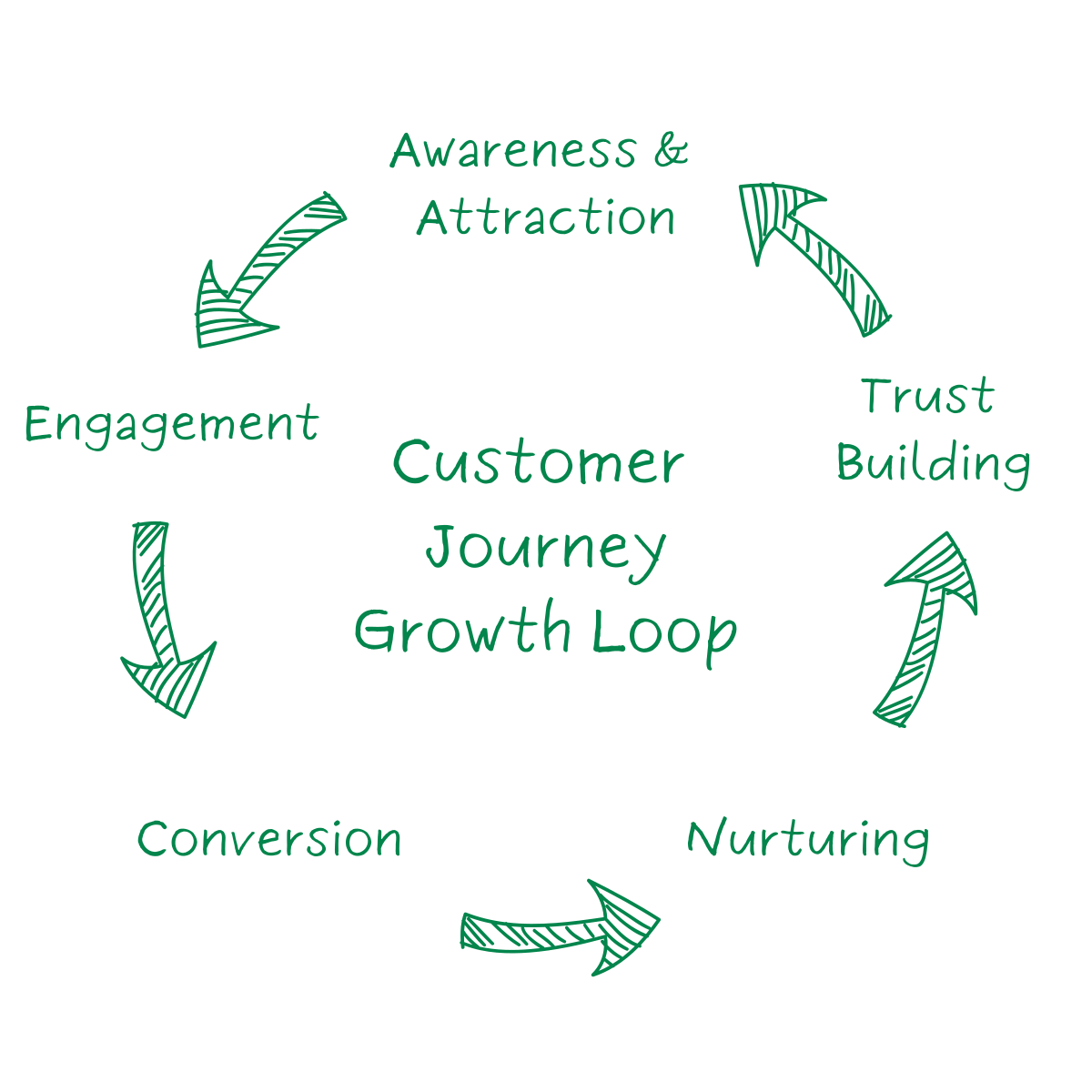
The Growth Loop keeps it simple: five clear stages that show how customers find you, engage with you, become clients, stay loyal and recommend you. I use this framework as a really clear way to diagnose what’s going on in a business, because it shows me what’s working, where the gaps are and what really needs some attention.
From experience, businesses usually have some stages working well, whilst others are being neglected because there simply isn’t enough time to do everything. Then, when they notice the gaps and try to improve things, they can end up swamped by conflicting advice that just turns into noise.
The Growth Loop cuts through that noise and prioritises the areas that will make the biggest difference for you. Each stage is important, but when they work well together your customer journey starts to feed itself. That means less pressure to constantly chase leads, and a business that feels much easier to keep moving.
Can the right people find you? And when they do, is it clear who you are, what you do and why they should care?
This might include your website, LinkedIn profile, social channels, messaging and wider digital presence. And often a few relatively small changes here can make a big difference to how easily the right people discover and understand your business.
Being discovered is only the beginning. What happens between someone first noticing your business and being ready to buy?
This could involve your content, emails, newsletters, social activity and the way you keep in touch with potential customers. The aim is to stay useful and visible without feeling as though you have to constantly shout for attention.
Once someone is interested, how easy is it for them to take the next step?
Conversion covers everything from clear calls to action and enquiry processes through to proposals, follow-up and onboarding. Even small amounts of friction here can be enough for interested people to disappear. And yet it's easy to delay follow-ups in an already hectic business.

Finding new customers takes time and energy, so it makes sense to look after the relationships you’ve already built.
This stage is about staying in touch, checking in, gathering feedback and spotting genuine opportunities for repeat business, additional services or referrals. Rather than starting from scratch every time.

Testimonials, reviews, case studies and recommendations all help new customers feel more confident about choosing you. Its the social proof they are looking for.
Done well, this stage feeds straight back into Awareness & Attraction, helping more of the right people discover your business and making the whole customer journey work harder for you.